


What Is a Telecom Rectifier System and Why Is It Critical to Telecom Network Reliability?
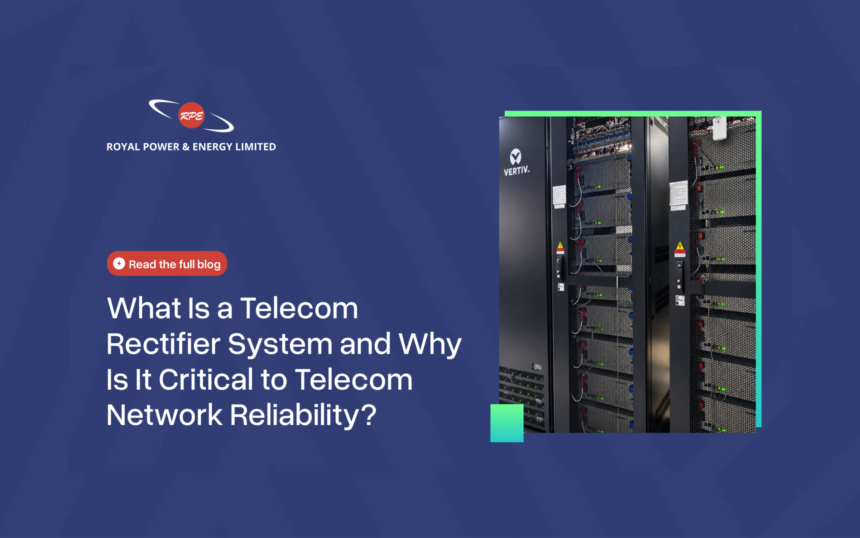
At the centre of many telecom DC power systems is the rectifier. A rectifier converts incoming AC power into the regulated DC power required by telecommunications equipment and works with the battery system to maintain continuous power when the primary AC supply is interrupted. Its role goes beyond power conversion. As part of an integrated DC power system, it supports the telecom load, maintains the battery system at the required state of charge and enables a seamless transition to stored power when the main AC supply is interrupted.
For network operators, understanding how this system works is essential to building dependable telecom infrastructure.
What is a Telecom Rectifier system?
A telecom rectifier system converts AC electricity from the grid or another AC source into regulated DC power.
Telecommunications equipment typically operates on DC power, making the rectifier an important link between the facility's incoming electrical supply and the equipment supporting the network.
A typical telecom power system can include AC input and protection, rectifier modules, batteries, DC distribution boards (DCDBs), monitoring and control systems, and DC protection and isolation equipment.
Under normal conditions, the rectifiers supply the connected DC load while charging the batteries. When the AC supply is interrupted, the batteries provide the stored energy required to keep the telecom equipment operating.
The rectifier, battery and distribution system therefore need to be designed as one coordinated solution rather than as separate pieces of equipment.
Why Telecom Networks Depend on DC Power
Telecom facilities operate continuously, often supporting services that businesses and consumers depend on around the clock.
An interruption to the power supply can affect network equipment, transmission systems and connected services. This makes the underlying power system an important consideration when designing telecom facilities.
The rectifier provides the controlled DC supply required by the equipment, while the battery system provides energy during interruptions to the primary source.
This arrangement allows the facility to maintain its DC load while the wider power system responds to the outage and backup power sources are brought online.
Rectifiers and Batteries: How They Work Together
A rectifier system and battery bank should not be viewed as separate pieces of equipment. They should be considered as components of one integrated DC power solution.
The rectifiers supply the active load and maintain the batteries at the required state of charge.
During normal operation, the rectifiers:
- Supply the active DC load
- Maintain the required DC voltage
- Recharge the batteries
- Maintain the batteries at the appropriate state of charge
During an AC power interruption, the batteries automatically take over the DC load without requiring a manual changeover.
The performance of this arrangement depends on several factors, including:
- DC load requirements
-Rectifier capacity
-Battery capacity and autonomy
- Charging requirements
-Expected operating conditions
-Future load growth
-Redundancy requirements
-Battery technology
-Environmental conditions
-Required system availability
Getting these parameters right is an engineering exercise, not simply an equipment selection exercise.
An incorrectly sized rectifier or battery bank can affect operating efficiency, backup duration and the ability of the system to accommodate future demand. Conversely, excessive capacity can increase capital expenditure without delivering a corresponding operational benefit.
The Role of DC Distribution
Generating DC power is only one part of the system. That power must also be distributed safely and efficiently to the equipment that needs it.
DC distribution boards provide the connection between the rectifier and battery system and the various telecom loads. They also incorporate protection and isolation arrangements required for safe operation and maintenance.
As facilities become larger and DC loads increase, the distribution architecture becomes increasingly important.
Poorly planned distribution can introduce voltage drop, uneven load distribution, protection issues, maintenance difficulties and additional points of failure. A properly engineered system considers the current load, protection requirements and future expansion from the outset.
DC distribution should therefore be designed with the same level of consideration as the rectifier and battery systems themselves.
What Happens When the Grid Fails?
Under normal operating conditions, the rectifiers provide DC power and charge the connected batteries.
When the AC supply is lost, the battery system automatically takes over the DC load, allowing the telecom equipment to continue operating without waiting for the AC supply to be restored.
Depending on the facility's configuration, backup generators or another AC source can then restore power to the rectifiers.
Once the primary supply is restored, the rectifiers resume normal operation and recharge the batteries.
For this sequence to work effectively, the different components must be correctly sized, configured, protected monitored and commissioned.
Beyond Capacity: Designing the Complete System
A telecom power system should not be evaluated solely by its total capacity.
Reliability depends on the design of the complete system, including redundancy, battery autonomy, efficiency, monitoring, maintainability and scalability.
Redundancy
Critical telecom applications may require redundant rectifier modules and other system components so that the failure or removal of an individual module does not interrupt the connected load.
Battery Autonomy
Battery capacity must be matched to the required backup duration and the characteristics of the telecom load.
Efficiency
High-efficiency rectification can reduce energy losses, operating costs and the heat generated within the facility.
Monitoring
Modern telecom power systems can incorporate monitoring and communication capabilities that provide visibility of rectifier performance, battery condition, alarms and load levels.
Maintainability
Equipment should be configured to allow inspection, maintenance and replacement with minimal disruption to critical loads.
Scalability
Future network expansion should also be considered. Additional telecom equipment can increase the DC load over time, making scalability an important part of the original design.
A well planned system allows capacity to be expanded without requiring major changes to the underlying infrastructure.
Lithium Battery Storage for Telecom Applications
Battery technology is also evolving within telecom power infrastructure.
Lithium-based battery systems can provide high energy density, long cycle life and a compact footprint compared with traditional battery technologies. When properly engineered and integrated with the rectifier and DC distribution system, lithium battery storage can provide a scalable solution for telecom backup power.
However, battery selection should consider more than energy capacity. Factors such as required autonomy, operating temperature, charging characteristics, battery management, protection, monitoring, installation environment and lifecycle requirements should all form part of the system design.
RPE's Experience in Telecom DC Power
Royal Power & Energy approaches telecom power as an integrated engineering requirement rather than a standalone equipment purchase.
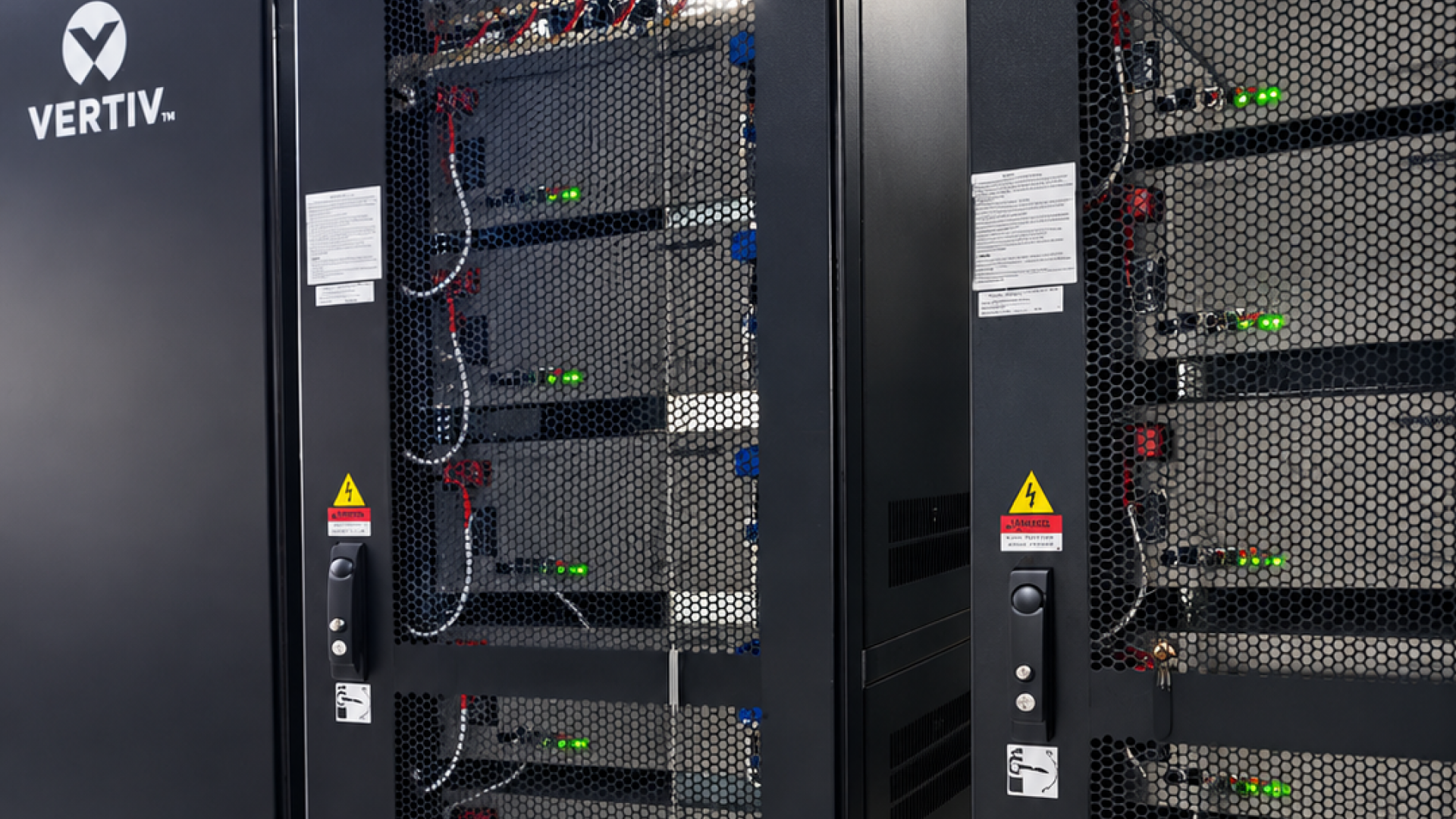
In one recent telecom deployment, RPE delivered a 576 kWh lithium battery backup system integrated with rectifier systems and supported by a DC distribution board (DCDB) configuration.
The project included the installation and commissioning of the DC distribution infrastructure and lithium battery systems supporting the rectifier environment.
The deployment demonstrates how rectification, energy storage and DC distribution must be integrated to support demanding telecom loads and maintain continuity during interruptions to the primary power supply.
RPE's approach is focused on designing the complete power architecture around the operational requirements of the telecom facility, rather than simply supplying individual components.
Building Better Telecom Power Systems
As telecom networks become increasingly important to digital services, businesses and everyday communication, the infrastructure supporting them must keep pace. Rectifiers may not be the most visible component of a telecom network, but they form an important part of the DC power chain that keeps critical equipment operating.
The focus should therefore extend beyond individual equipment to the design, integration, protection, monitoring and scalability of the complete DC power system.
A reliable telecom power solution should provide more than backup capacity. It should deliver the right combination of power conversion, battery storage, DC distribution, redundancy, efficiency and future scalability required by the application.
At Royal Power & Energy, we design and deploy integrated power infrastructure for critical environments, combining rectification, battery energy storage, DC distribution and supporting systems to meet demanding telecom and mission-critical power requirements. Reliable telecom networks start with reliable power infrastructure.