Beyond Solar Panels: 7 Ways Businesses Can Build a More Sustainable Energy Strategy
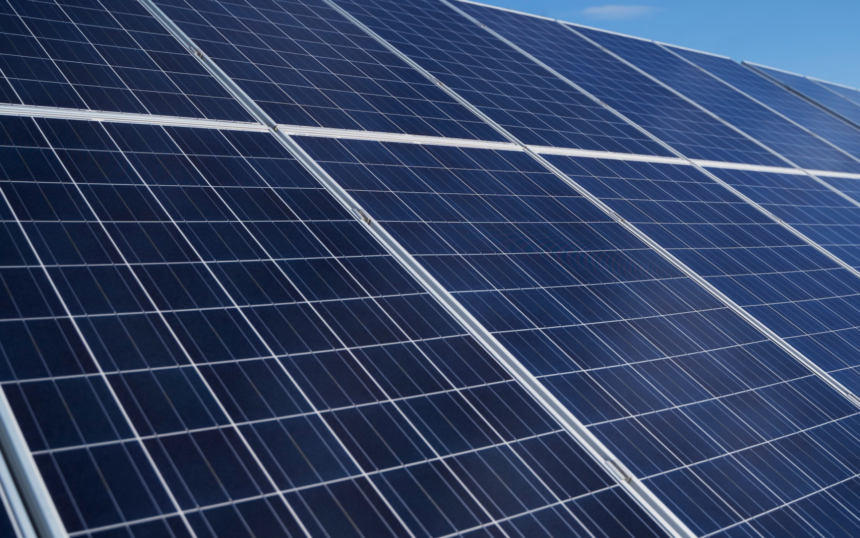
For many businesses, sustainability starts with a familiar question: Can we install solar?
Solar power is an important part of the transition to cleaner energy, but it is only one component of a sustainable energy strategy. For businesses operating in Nigeria, where energy costs, grid constraints, diesel dependence and growing operational demands continue to shape business decisions, sustainability needs to go beyond installing renewable energy equipment.
A sustainable energy strategy considers how energy is generated, consumed, stored, managed, monitored and improved over time. It should also consider the relationship between environmental performance, energy reliability, operating costs and long-term business resilience.
Here are seven ways businesses can take a broader approach.
1. Start With Energy Efficiency
The cleanest energy is often the energy a business does not need to consume.
Before investing in additional generation capacity, businesses should understand where energy is being used and where waste occurs.
HVAC systems, lighting, pumps, motors, refrigeration, IT equipment and other electrical loads can contribute significantly to energy consumption.
An energy assessment can identify inefficient equipment, unnecessary consumption and opportunities to optimise operations.
This can include reviewing operating schedules, equipment performance, power quality, cooling systems and other energy-intensive processes.
Improving efficiency can reduce operating costs while lowering the amount of energy that needs to be generated in the first place.
Reducing demand can also reduce the size of the generation and storage infrastructure required, potentially improving the economics of future energy investments.
2. Diversify Your Energy Sources
Depending entirely on one energy source can expose a business to operational and financial risk.
For many Nigerian businesses, this means balancing grid electricity with generators and renewable energy.
A more sustainable approach can combine multiple sources based on the facility’s requirements.
Solar PV can provide renewable generation during daylight hours, while other sources can support periods when solar production is unavailable.
Battery storage can further improve the flexibility of this energy mix by allowing electricity generated or available at one time to be used when it is needed.
The objective is not simply to install renewable energy. It is to create an energy mix that is more efficient, resilient and aligned with the facility’s operating requirements.
3. Add Energy Storage
Renewable generation becomes significantly more flexible when combined with energy storage.
Battery Energy Storage Systems can store electricity when it is available and discharge it when required.
For businesses, this can help improve the utilisation of renewable energy, support critical loads and reduce dependence on diesel generation in appropriate applications.
Storage can also provide greater flexibility in how a facility manages its energy demand.
Depending on the application, batteries can support peak demand management, backup power, renewable energy utilisation and improved power continuity.
The right storage solution depends on factors such as load profile, required backup duration, operating conditions and the role the battery is expected to play within the wider energy system.
Battery capacity should therefore be determined by the operational requirement rather than simply selecting the largest available system.
4. Improve Energy Management
Generating more energy does not necessarily mean using energy more intelligently.
Businesses can use monitoring and energy management systems to understand consumption patterns, identify inefficiencies and make better operational decisions.
Energy monitoring can provide visibility into where electricity is being consumed, when demand is highest and how different systems are performing.
This creates a basis for continuous improvement.
Instead of treating energy as a fixed overhead, businesses can begin managing it as a measurable and optimisable operational resource.
Effective energy management can help businesses identify abnormal consumption, track performance against targets and make informed decisions about where further investment will have the greatest impact.
5. Reduce Dependence on Diesel Where Practical
For many Nigerian businesses, diesel remains an important backup power source.
However, frequent generator operation can increase fuel consumption, maintenance requirements and emissions.
A sustainable energy strategy should therefore examine where diesel dependence can be reduced without compromising business operations.
Depending on the facility, a combination of renewable generation, battery storage, efficient equipment and intelligent energy management can reduce the amount of time generators need to operate.
This can reduce fuel consumption while also lowering generator operating hours, maintenance requirements and associated emissions.
The goal is not necessarily to eliminate conventional generation entirely. It is to use it more strategically, particularly where renewable energy and storage can reliably support part of the load.
6. Design Infrastructure for Long-Term Performance
Sustainability is also about what happens after an energy project has been installed.
A system that performs well for a few years but becomes difficult to maintain or expand is unlikely to deliver long-term value.
Businesses should consider equipment quality, maintenance, scalability, monitoring and future energy requirements when developing renewable energy solutions.
For larger facilities, this may mean designing infrastructure that can accommodate additional solar capacity, battery storage or changing electrical loads as the business grows.
It may also require consideration of equipment lifecycle, replacement requirements, system accessibility and the availability of technical support.
Good energy planning should therefore consider the full lifecycle of the infrastructure, from initial design and installation through operation, maintenance, expansion and eventual replacement.
7. Measure Environmental and Business Impact
A sustainable energy strategy needs measurable outcomes.
Businesses should establish clear metrics around energy consumption, renewable energy generation, fuel use, emissions reduction and operational performance.
Where appropriate, businesses can also track metrics such as energy intensity, generator operating hours, battery utilisation, renewable energy contribution and energy cost per unit of output.
This allows organisations to understand whether their investments are delivering the intended environmental and commercial benefits.
It also creates useful information for sustainability reporting, corporate decision making and stakeholder communication.
Most importantly, measurement makes sustainability an ongoing process rather than a one-time project.
What gets measured can be managed, improved and incorporated into future investment decisions.
Sustainability Is Bigger Than Just Solar
Solar remains one of the most important technologies available to businesses looking to transition towards cleaner energy. But installing solar panels alone does not create a sustainable energy strategy.
A more complete approach brings together energy efficiency, renewable generation, energy storage, energy management, infrastructure optimisation and measurable environmental outcomes.
For Nigerian businesses, this approach can also make sustainability commercially relevant. Reducing energy waste, improving efficiency and lowering diesel consumption can contribute to both environmental performance and long-term cost management and operational resilience.
Sustainability should therefore not be viewed simply as an environmental objective. When properly integrated into the energy strategy, it can also support efficiency, reliability, cost control and long-term business performance.
The businesses that make the greatest progress will not necessarily be those that install the most solar panels. They will be those that understand their entire energy system and continuously improve how it is generated, stored, consumed and managed.
Building a More Sustainable Energy Future
At Royal Power & Energy, we approach renewable energy as part of a wider, integrated energy strategy.
Our focus extends beyond individual technologies to the infrastructure, storage, efficiency and energy management solutions businesses need to improve their energy performance.
Whether the requirement involves renewable generation, energy storage, hybrid systems, energy efficiency or broader energy management, the objective is to develop solutions that support both business performance, energy resilience and long-term sustainability.
By combining engineering, renewable energy, storage and energy management, businesses can move from simply adding individual energy technologies to developing a coordinated strategy for how their entire energy infrastructure performs.